CoderBunnyz vs Cubetto: Screen-Free Coding, Compared
Cubetto is a gorgeous Montessori-friendly coding robot for pre-readers; CoderBunnyz is a fraction of the price with a longer runway. An honest look at when each is the right buy.
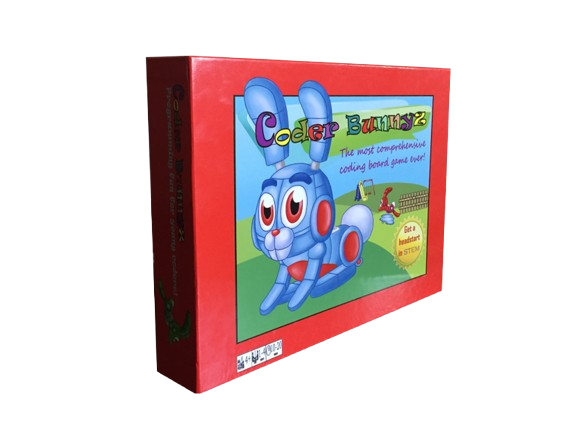
About $36 · screen-free board game
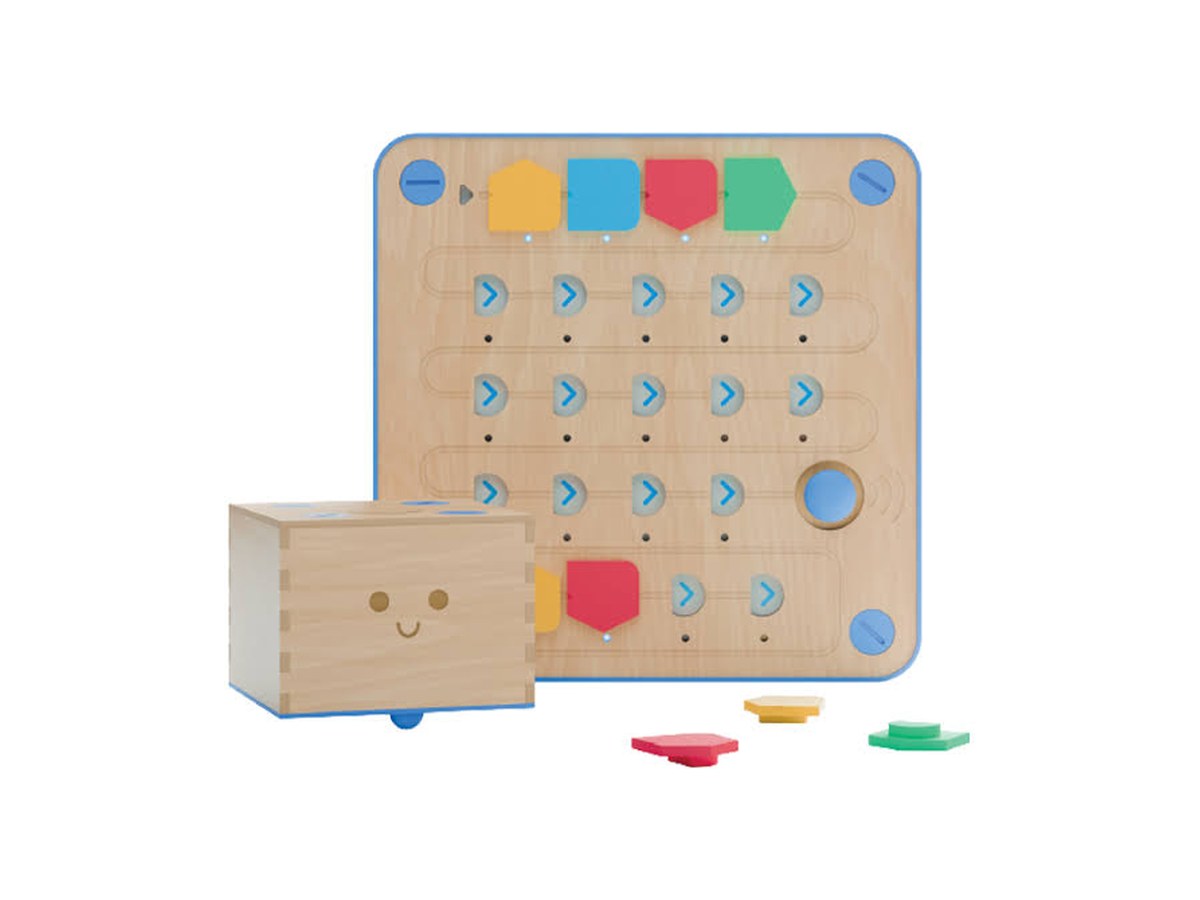
Wooden robot · tangible block programming
Who wrote this
This comparison is published by CoderBunnyz. We make one of the two products below. We have written it to be genuinely fair, including recommending Cubetto where it is the better pick. Ages and prices come from each maker’s site and public listings.
The short answer
Cubetto is the better pick for a pre-reader: a 3-year-old can program its wooden robot with physical blocks, no reading and no adult referee needed, and watching the robot execute your program is a kind of magic a board game cannot match. CoderBunnyz is the better pick from age 4 up if budget or longevity matter: it costs about $36 versus roughly $200+ for Cubetto, and it keeps adding concepts (loops, functions, inheritance) for years after Cubetto is outgrown.
When Cubetto is the better pick
- Your child is 3 (or a young 4) and pre-reading: Cubetto needs no reading at all and no adult to execute moves. The robot does it.
- You want a robot, not a board game: the “watch your program run” feedback loop is Cubetto’s signature strength.
- Montessori-style settings: the tactile wooden blocks and self-correcting play fit the pedagogy naturally.
- Budget is not the constraint and you value heirloom-quality materials.
When CoderBunnyz is the better pick
- Budget matters: about $36 versus roughly $200+. You could buy CoderBunnyz for five families for the price of one Cubetto.
- You want years of runway: Cubetto focuses on sequencing and simple loops for ages 3 to 6; CoderBunnyz continues into conditionals, functions and inheritance.
- You want the whole family in one game: CoderBunnyz seats 2 to 4 players; Cubetto is one robot, usually one child at a time.
- You want a free curriculum: CoderBunnyz pairs with free lesson plans on this site; Cubetto’s expansion maps and blocks are paid add-ons.
Where each falls short
- Cubetto: premium price, outgrown by around age 6 to 7, and expanding it means buying more map and block packs.
- CoderBunnyz: no robot, so the “program executes itself” magic is absent; a 4-year-old needs an adult at the table for the first games; and it needs at least two players.
CoderBunnyz vs Cubetto at a glance
| CoderBunnyz | Cubetto | |
|---|---|---|
| Ages | 4 to 104 | 3 to 6 |
| Screen-free | Yes | Yes |
| Format | Board game, 2 to 4 players | Wooden robot + block board, usually 1 child |
| Concepts taught | Sequencing, loops, functions, inheritance | Sequencing, simple loops (via the function line) |
| Reading required | Helps; age 4 plays with an adult | None (fully pre-reader friendly) |
| Price | About $36 | Roughly $200+ «FILL: verify current Cubetto price/availability at primotoys.com» |
| Longevity | Grows with the child for years | Typically outgrown by age 6 to 7 |
| Curriculum | Free, on this site | Paid expansion maps and activity books |
CoderBunnyz is in stock today, ships fast, and teaches real coding from your very first hop.
Frequently asked questions
Is Cubetto or CoderBunnyz better for a 3-year-old?
Cubetto. It is designed for age 3 with zero reading required, and the robot executes the child’s program on its own. CoderBunnyz starts at age 4 and plays best with an adult at the table for the first games.
What is a cheaper alternative to Cubetto?
CoderBunnyz is the most direct cheaper alternative: screen-free like Cubetto, about $36 instead of roughly $200+, and it lasts from age 4 well past the age children outgrow Cubetto. The trade-off is that it is a board game, not a robot.
What age is Cubetto for?
Cubetto is designed for ages 3 to 6. CoderBunnyz spans ages 4 to 104, so it keeps challenging children after they outgrow Cubetto, but it does not start quite as young.
Is CoderBunnyz screen-free like Cubetto?
Yes. Both are genuinely screen-free. Cubetto uses a battery-powered wooden robot; CoderBunnyz uses physical cards and a board with no electronics at all.
Keep reading
Comments
Be the first to comment.